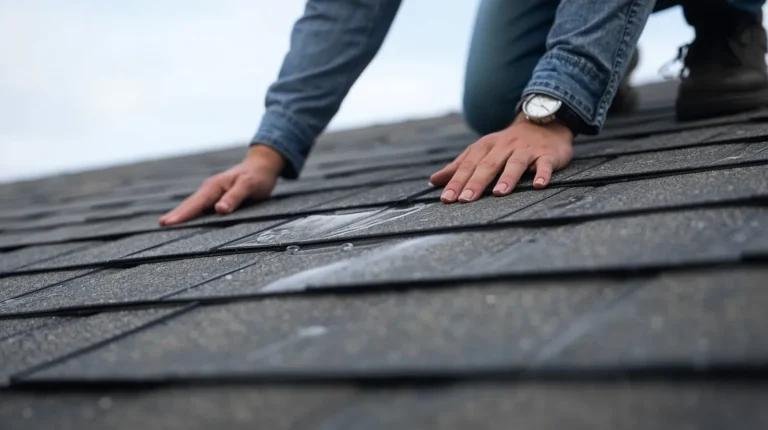
The best time to replace a roof is usually during mild weather seasons when temperatures stay steady and rain is less frequent. This helps the roofing materials seal better and gives you a smoother and safer installation. When you plan the project at the right time, you avoid delays, save money, and get better long term protection for your home.
Understanding the best time to replace a roof can save you worry and stress. A roof is one of the most important parts of your home, so timing affects everything. It affects how long the project takes, how well the materials stick to each other, how safe the crew is, and how much the whole job costs. When you learn how timing works, you choose with confidence and avoid surprises. This guide will help you understand when to plan your new roof and how to protect your home the smart way.
How Roof Timing Impacts Your Home, Budget, and Long Term Protection
Roof timing might seem like a small detail, but it has a big effect on the results. When your roof goes on during the right season, the shingles bond stronger and the surface seals tighter. This helps your home stay dry during storms and stops leaks before they start. When the weather is calmer, roofers work faster and safer, so there is usually less risk of mistakes.
Budget also plays a big part. Roofing companies may be busier during peak times, so costs can shift depending on the season. If you understand these patterns, you can choose a better time that fits your budget and still gives you high quality work. Many homeowners do not realize that timing also helps reduce long term repairs. When your roof is installed in steady temperatures, it lasts longer and stays in better shape as the years pass.
Signs That Tell You It May Be Time for a New Roof
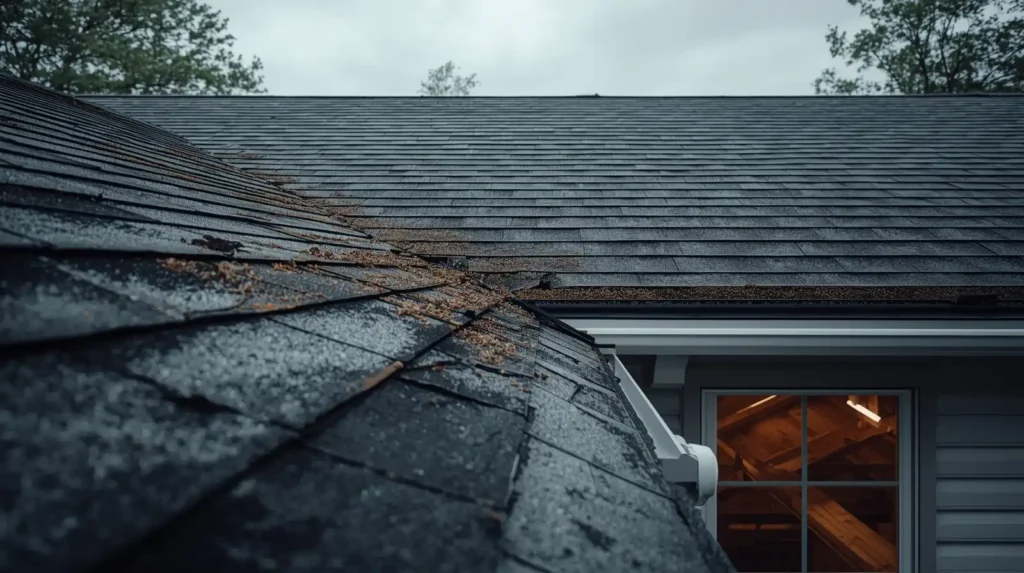
Before thinking about the best season, it helps to know when your roof needs attention. Here are the main signs to look for.
Clear and Easy to Spot Signs
- Broken shingles that make the roof look uneven.
- Missing shingles after a storm or strong wind.
- Shingles that curl upward, which means they are getting old.
- Dark stains or water spots on the ceiling, showing a leak above.
- Dripping sounds in the attic when it rains, which means water is getting in.
Hidden or Less Obvious Signs
- Higher energy bills because warm or cool air escapes through the roof.
- Loose dirt or granules in the gutters, which come from worn shingles breaking apart.
- Shingles that look smoother than before, meaning the top layer is wearing off.
- Soft or spongy spots on the roof surface, which means moisture may be trapped under the shingles.
- Light showing through the attic roof boards, signaling gaps or holes.
When you notice any of these signs, it is smart to plan a replacement soon. Catching the problem early helps you avoid bigger repairs and keeps your home safe.
Best Time of Year to Replace Roof Based on Weather Conditions
Weather strongly affects any roofing job. Roofers need dry days so they can work safely and install the materials well. Mild temperatures help shingles settle correctly so they grip tightly and seal as they should. If it is too hot, the materials can soften. If it is too cold, shingles can crack during installation.
Many homeowners choose early fall because the weather is mild and the air is dry. Spring can also be a good time when temperatures rise and storms are rare. Summer works too, but extreme heat may slow down the process. Winter is possible in some cases, but the roof must be handled more carefully. When you choose the season with stable weather, you get better performance and a smoother project overall.
When Is the Best Time to Get a New Roof for Cost Savings
Roof costs often change during the year. When demand is high, roofing companies may work at full capacity. During slower seasons, some companies offer better pricing or faster scheduling. If you want to save money, look for the months when crews are less busy. These months vary depending on your climate, but many regions see slower activity during late winter and early spring.
Cost savings also come from proper planning. When you book early, you can choose from more dates and avoid rush fees. Delays due to heavy storms can raise labor costs, so timing your project during calmer weeks helps you stay within your budget. Always focus on quality first, but understanding cost patterns helps you plan wisely.
Is Roofing Season Always the Right Choice for Every Home
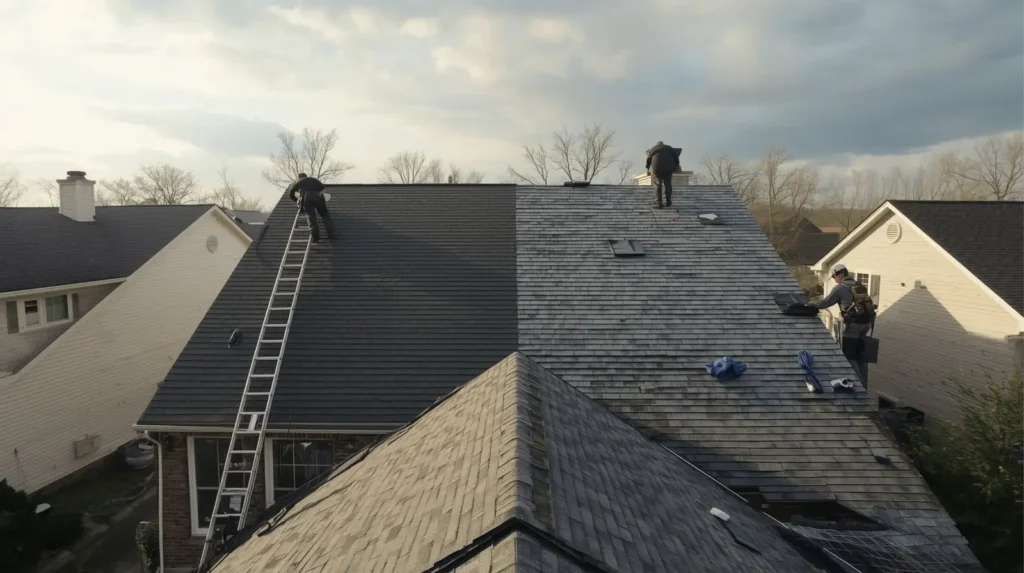
Many people believe there is one perfect roofing season. While roofing season gives good weather and steady temperatures, it may not always be the best option for your unique situation. Some homeowners need faster repairs because of leaks or sudden damage. In this case, waiting for the ideal month can cause more harm.
Your home type, roof structure, and shingle material also matter. For example, some materials install easily in a wider range of temperatures. A professional roofer will guide you based on your home, budget, and timeline. Roofing season is helpful, but your situation matters even more.
Can You Replace a Roof in Winter and Still Get Quality Results
Roof replacement in winter can seem risky, but with the right team, it is often possible. The main challenge is cold temperatures. Some shingles become firm when it gets too cold, which makes installation harder. However, roofing crews can adjust their methods to protect the materials and keep everything safe.
Winter replacement also has some benefits. Roofers are usually less busy, so scheduling becomes easier. You may get quicker service, and repairs often happen faster. Snow and ice are challenges, but safe planning and the right tools make winter work possible. If your roof has major damage, waiting until spring is not always the best idea. A skilled team can often solve the problem right away.
How Local Climate Affects the Best Time to Replace a Roof in Stafford, VA
Local climate plays a huge part in choosing the right time for a new roof. In Stafford, Virginia, weather can shift quickly. Summers are humid and warm, while fall brings steady, comfortable temperatures that help shingles bond well. Winter can have cold days but also many mild days that allow careful roof work.
Because of these patterns, fall is often a strong choice, but spring can also give good results. Understanding the local climate helps you plan better and avoid delays. When you choose the right window of time, your roof performs better and your installation stays on schedule.
What Happens If You Wait Too Long to Replace Your Roof
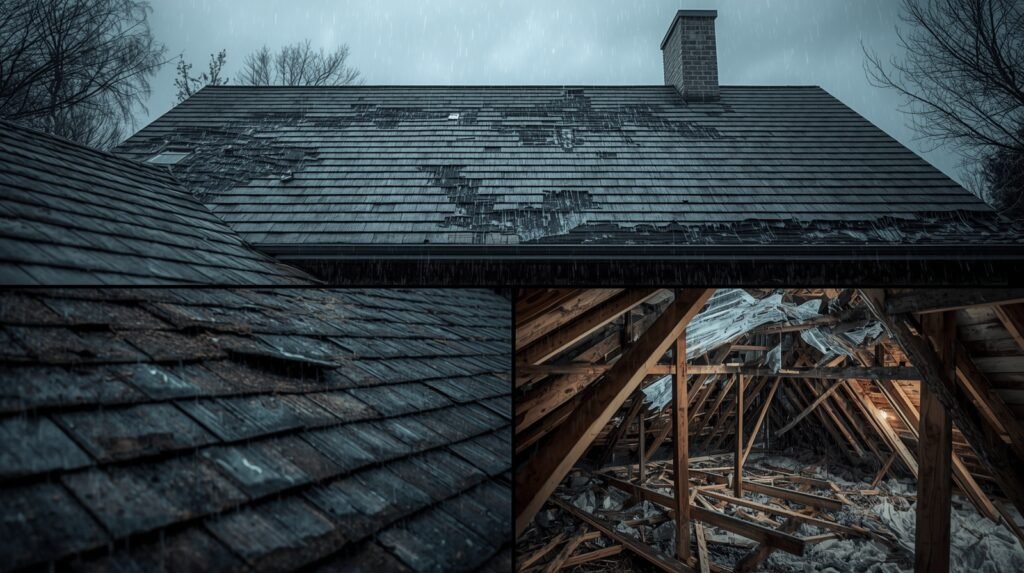
Waiting too long can cause major damage inside your home. When shingles weaken, water finds tiny spaces to enter. The first signs may be small stains on ceilings or walls. Over time, leaks become bigger and cause mold, wood rot, and insulation damage. These repairs can cost far more than a new roof.
A weak roof also puts stress on the entire home. When water reaches the wooden frame, the structure may weaken. This makes the home less safe and may reduce its value. The important lesson is simple. Acting early protects your home and saves money in the long run.
Planning Ahead for a Smooth and Stress Free Roof Replacement
Planning ahead makes the process easier. Start with a full inspection so you know the condition of your roof. Ask questions, compare materials, and choose what fits your needs and budget. Once you choose a contractor, schedule the project during a time that works for you and matches the weather patterns.
Clear your driveway or yard before the crew arrives so they have space for tools and materials. Remove fragile items from walls inside the home, since vibrations during installation may cause movement. Good planning reduces stress and helps the whole project finish faster. The more prepared you are, the smoother your experience will be.
Talk With Port Solutions DMV About the Right Time for Your Roof
Choosing the best time to replace a roof can feel confusing, but you are not alone. The team at Port Solutions DMV understands local weather patterns, seasonal changes, and the best installation practices for long lasting roofs. When you work with experienced roofers who care about quality, you get strong protection, trusted guidance, and long term peace of mind.
Whether your roof shows early warning signs or you want to plan ahead, expert help makes the process safer and simpler. Good advice leads to better choices, and better choices protect your home for many years.
If you feel unsure about timing or want a free inspection, our local team is ready to help. Reach out today to learn when your roof should be replaced and how to keep your home protected with confidence.