Homeowners often ask how much siding do I need, and the clear answer is that you need to measure each wall, calculate the square footage, subtract doors and windows, and then add extra material for waste. This helps you buy the right amount without paying for too much or coming up short. Your total will depend on your home size, siding style, and the accuracy of your measurements.
Understanding What Affects Siding Coverage
Before you start buying materials, it is important to understand what changes how much siding you need. Every home has different wall heights, shapes, and cutouts. The type of siding you choose also affects the final number. Some styles need more trimming, which means you need more material. When you measure the right way, you avoid stress and surprise costs. These steps help you make a smart choice and give your home a clean, finished look.
Good measurement also builds trust. When homeowners understand the process, they feel confident and know what to expect during a siding project. That is one reason professionals take careful time calculating siding material so nothing is missed.
Why Calculating Your Total Wall Area Comes First
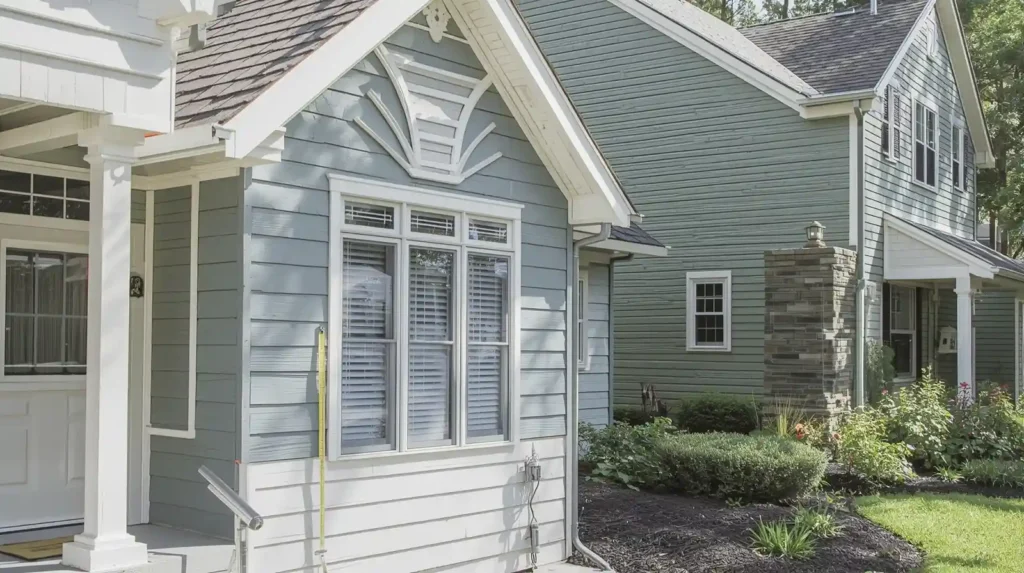
Every siding estimate starts with the same basic rule. You must know the total wall area of your home. This is the foundation for everything that comes next. Without it, you cannot predict how many panels you need or how much extra material to add for cutting.
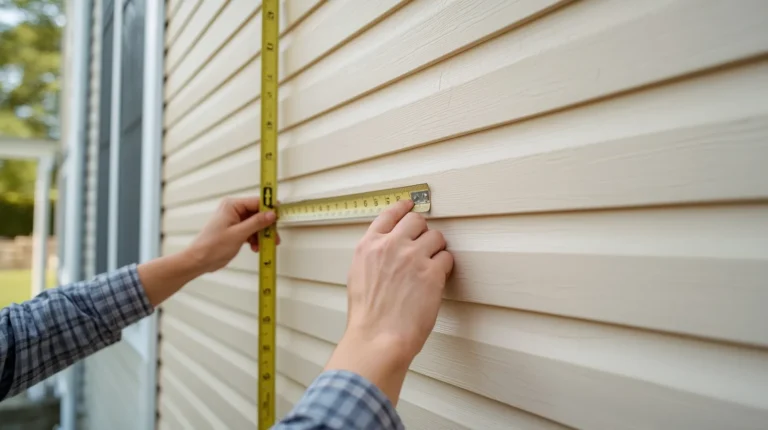
You can use a tape measure or a simple laser tool. Measure each wall from end to end. Then measure the height. When you multiply height by width, you get the square footage for that wall. Do this for every wall of your home. When you add all the numbers together, you get your base total. This method is simple and works for almost all homes, even ones with tricky shapes.
How Much Siding Do I Need for a Typical Home
Most average homes fall between one and two thousand square feet of wall surface, but your exact number may be different. Your best answer to the question how much siding do I need comes from accurate measurements, not guessing or comparing to someone else’s home.
If your home has more peaks or taller walls, your total will be higher. If your home has more windows or doors, your total may go down because you subtract those openings. This is why taking your time with each wall matters. A clear number saves money, reduces waste, and helps your project finish smoothly.
A Simple Method for Calculating Siding Material
Once you have your square footage, calculating siding material becomes easier. Many contractors use a fast method called the siding square method. One siding square equals 100 square feet. To find how many squares you need, divide your total square footage by one hundred.
If your home has one thousand six hundred square feet of wall area, you need sixteen squares of siding. This gives you a clean number to use when buying material. Most stores and suppliers also use this method, so it makes ordering simple.
You should also add extra material for trimming and angle cuts. This is normal for all siding projects, even small ones. If your home has many corners, you may need more extra material than someone with simple flat walls.
How to Calculate Siding Square Footage Without Guessing
- Follow these steps to get an accurate number.
- Measure the length of each wall.
- Measure the height of each wall.
- Multiply length by height to get the square footage for that wall.
- Subtract window and door areas. A door is about twenty square feet. A window is about fifteen square feet.
- Add the square footage of all walls together to get your final total.
This point wise method shows you how to calculate siding square footage in a simple and accurate way. You only need a tape measure and a calculator, and it helps you stay on budget and avoid project delays.
Common Mistakes Homeowners Make When Measuring Siding
Many homeowners skip small steps that lead to errors. One common mistake is rounding numbers too early. It is better to use exact numbers and round at the end. Another mistake is forgetting to measure gable peaks. Peaks are the triangle shaped parts near the roof. They add square footage that many people overlook.
Some homeowners also forget to subtract windows and doors. This can make them buy too much material. When you measure carefully and subtract openings, your siding project becomes easier, cleaner, and more affordable.
How Different Siding Styles Change Material Needs
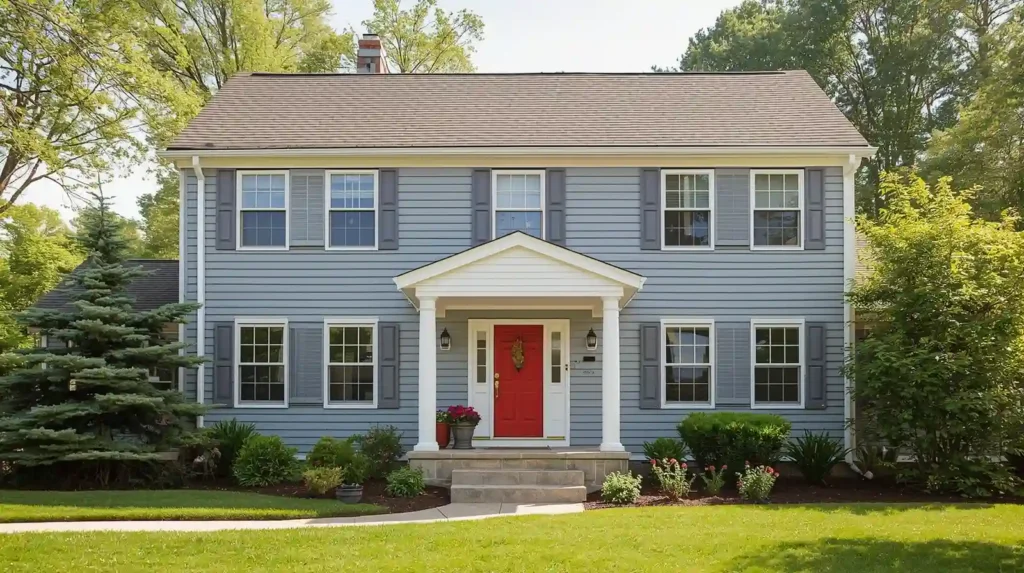
Not all siding types behave the same. Some siding has deeper laps or patterns that require extra trimming. Some materials break more easily during cutting, so you need extra siding for safe handling.
For example, fiber cement siding needs careful cutting and usually requires more extra material. Vinyl siding may need slightly less extra because it is easier to trim. The texture and style you pick also change how much you need. Smooth boards, shake style panels, and wide lap boards all have different coverage patterns.
When you choose the right siding for your home, it helps your project look polished and last longer. It also affects how much material you should purchase, so always plan ahead before buying.
How Much Siding You Need for Homes in Stafford
Homes in this area often have mixed wall shapes with gables, attached garages, and tall sidewalls. These features can increase your total square footage. Many houses also have porches and entryway structures that change the measurement process.
Because of local home styles, homeowners usually benefit from adding a little more extra siding than the basic ten percent rule. Weather patterns can also affect siding choices. Humidity and seasonal storms may require more durable materials that need precise installation. Getting the right measurements protects your home and helps your siding last longer.
When to Add Extra Material for Waste and Cutting
All siding projects need waste material. This is normal and not a mistake. Waste happens when you cut boards to fit corners, edges, and angled roof lines. If your home has simple box shaped walls, you may only need about ten percent extra. If your home has many peaks, curves, or special design features, you may need twelve to fifteen percent extra.
This extra material prevents delays. If you run out during installation, your project may stop until more siding arrives. Extra material also ensures color consistency, since different batches of siding can look slightly different.
Signs You Should Replace More Siding Than You Planned
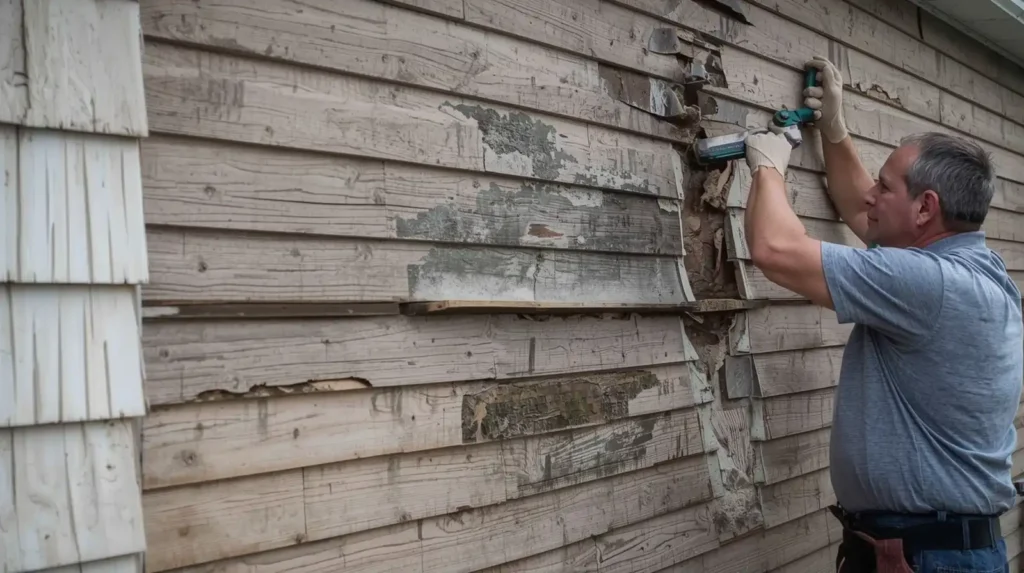
Sometimes homeowners start a project and learn they need more siding than expected. This usually happens when removing the old siding reveals hidden issues. For example, water damage can weaken the wall behind the siding. Mold, warped boards, or wood rot can also appear during removal.
When these problems show up, replacing more siding ensures your home is safe and protected. It is better to handle repairs during the project than to wait until later. New siding improves your home’s look and shields it from future damage. Professional installers always check wall conditions before finishing the job.
How Port Solutions DMV Helps You Get Accurate Measurements
Measuring a home for siding can feel stressful for many homeowners. Port Solutions DMV makes the process simple, clear, and worry free. Our team uses accurate tools and proven methods to calculate the exact siding square footage you need. We also check every wall shape, opening, and peak so nothing is missed.
Good measurements reflect care and expertise. Our goal is to guide you through the entire process with trust, clear steps, and real experience. You get a siding plan that fits your home and protects your budget. Port Solutions DMV helps homeowners choose the right materials and makes sure every measurement supports a smooth project from start to finish.
Conclusion
Knowing how much siding you need starts with good measurements. When you measure each wall, calculate the square footage, subtract openings, and add extra material for waste, you get a number you can trust. This keeps your project on track and helps you avoid surprises. Using simple math and careful steps gives you a solid plan for your siding job and helps your home look clean and complete.
If you want help with measurements or need expert siding guidance, reach out to our team. We can walk you through every step and make sure your home gets the right amount of siding without stress or confusion.