If you want to know how to find roof leaks, the simplest answer is this. Look for water stains, check around problem areas outside, and trace the moisture back to its highest point. Roof leaks usually start small, so finding them early protects your home from bigger and more expensive damage. This guide explains how to spot leaks in a clear step by step way that any homeowner can follow. You will learn how to find a leak even when you cannot see obvious signs, why some leaks spread fast, and when it is time to call a trusted expert.
Why Roof Leaks Are Hard to Spot and Easy to Ignore at First
Many homeowners do not notice a roof leak until the problem grows. A leak does not always drip in a straight line. Water can move along beams, insulation, and inside walls before it appears in a visible spot. This is why finding roof leaks feels confusing.
Another reason leaks slip past people is because the early signs look harmless. A small stain on a ceiling or a faint smell of moisture may not seem urgent. But these early signs mean water is entering your home. When water enters even a little, it will keep moving and weaken materials over time.
In many homes, the outside roof surface looks fine from the ground. Shingles may not seem damaged. The flashing may not show gaps from far away. Yet small spaces allow water to slip through during storms. Even one strong wind gust can shift a shingle or loosen a seal.
Moisture also hides in places where people rarely look. If you do not check these hidden zones, you may only discover the leak once it spreads. Understanding these early challenges helps you stay alert and take action before real damage begins.
Common Early Signs Your Roof May Be Leaking Inside the House
Roof leaks do not always begin with a drip. Many indoor signs appear long before water drops from the ceiling. These clues help you understand what is happening behind the surface.
Some common early signs include:
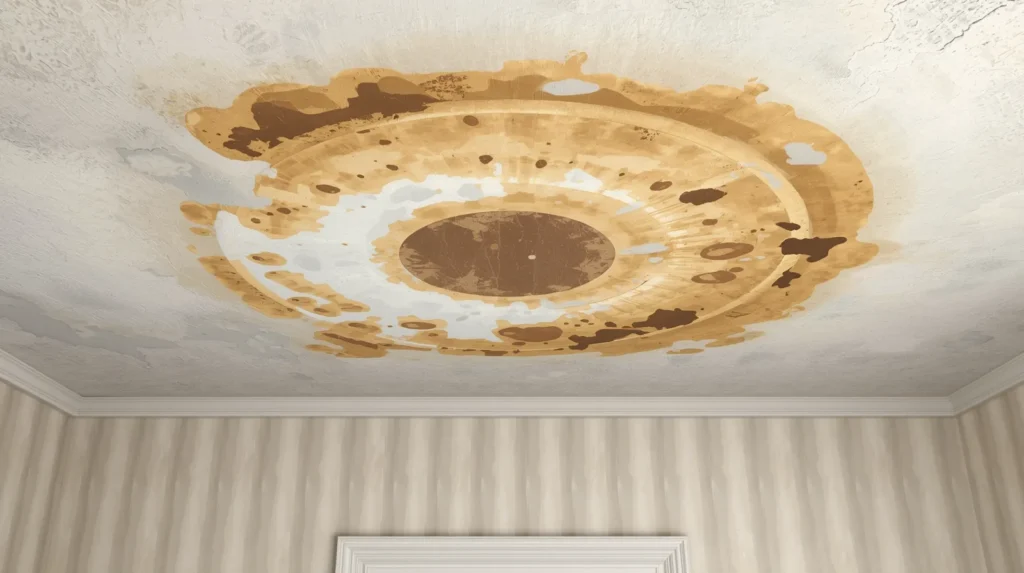
• Brown or yellow water stains
These stains often appear in round shapes. They may spread when more water collects above the spot.
• Peeling paint or bubbled walls
Moisture gets trapped under the surface, causing paint or drywall to change shape.
• A musty smell in one room
This smell often means water entered the area and has not dried.
• Soft or damp spots on ceilings
These areas feel slightly weaker than other parts of the ceiling.
• Light flickering near ceiling fixtures
Water may be close to electrical wiring, which is unsafe.
These signs usually point to a roof leaking inside the house. Even if the signs look small, they should never be ignored. The earlier you act, the easier and cheaper the repair becomes.
What a Roof Leak Usually Looks Like on Ceilings and Walls
Roof leaks show up in different ways, depending on how long the water has been present. Some signs are clear, while others are subtle.
A fresh leak often leaves a small, dark spot that changes color as it dries. When water enters the roof for a longer time, the stain grows larger and becomes brown or yellow. You may also see rings around the stain, which means water has entered more than once.
Walls may also show signs. A leak behind a wall can create streaks that run downward. In some cases, the wall becomes soft when pressed. This means the leak has weakened the structure.
Another common sign is bubbling or blistering. When water sits under the paint layer, air pockets form. Over time, these bubbles break and leave rough patches.
Knowing what a leak looks like helps you act early. Even a tiny mark should be checked, because roof leaks rarely fix themselves.
Why Homeowners Often Cannot Find the Leak in the Roof
It is very common for homeowners to say they cannot find the leak in the roof, even when they see water inside. This happens for several reasons.
Water does not follow a straight path. It can travel sideways, downward, or even along wires and wood beams. The place where the water shows up inside is usually not the place where the leak began.
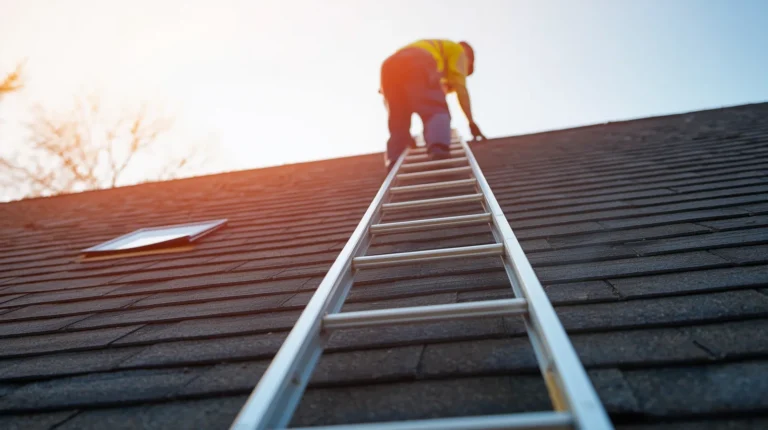
Another challenge is roof height. Many people do not feel comfortable climbing a ladder. Some roofs have steep slopes, which makes inspection unsafe.
Weather also hides leaks. A sunny day may show no sign of damage. The leak only becomes visible during or right after rain, which is not the best time to climb the roof.
Homes with complex roof designs have more valleys and joints. These areas catch water easily, and small cracks may be nearly invisible. Flashing around chimneys, vents, and skylights also becomes worn with time.
Understanding these challenges helps explain why leaks feel like a mystery. But following the steps in the next sections gives you a clear way to solve that mystery.
How to Find Roof Leaks From the Outside Without Causing Damage
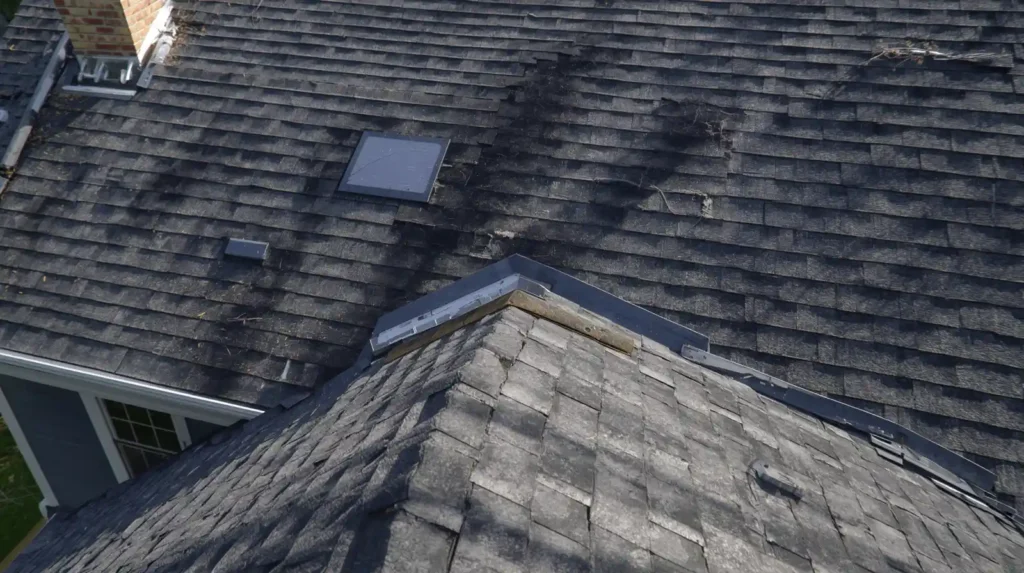
The outside of your roof holds many clues if you know where to look. You do not need to climb onto unsafe surfaces. A careful ground level check and a safe ladder check are usually enough.
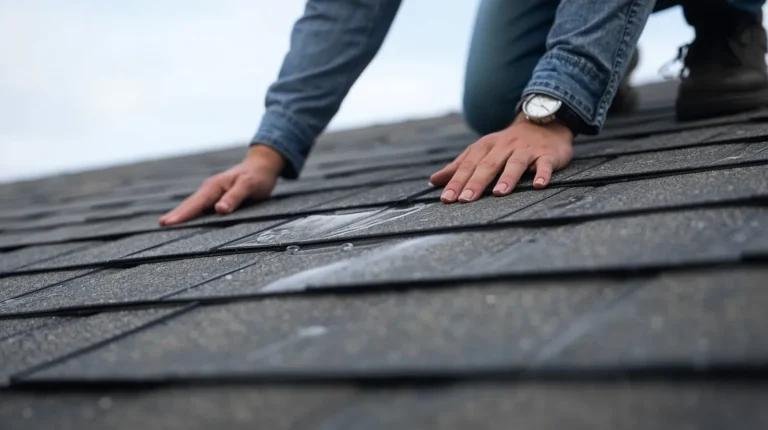
Start by looking for shingles that look loose, lifted, or cracked. Strong winds can lift shingles just enough to let rain slide under them. Once water gets under a shingle, it slowly spreads to the layers below.
Next, check near roof valleys. These areas collect the most water during storms. If any part of the valley metal is bent, rusted, or separated, it may allow moisture through.
Then inspect the flashing around chimneys, skylights, pipes, and vents. Flashing seals these objects to the roof surface. When flashing cracks or pulls away, leaks begin.
Look for places where the roof meets the wall. Water often slips behind siding if the seal between the roof and wall breaks.
One more thing to check is roof debris. Leaves or branches can trap moisture and cause slow leaks. Remove anything that blocks water flow.
These simple checks help you spot problems early and avoid bigger repairs.
How to Identify Roof Leaks Without Interior Access
Some homes do not offer easy interior access near the roof. Even without an attic or open space, you can still track down leak problems using outside clues and indoor surface changes.
Begin by walking through rooms under the roof and look for temperature changes. A room that feels damp or cooler may have hidden moisture above the ceiling.
Next, use a flashlight to check corners, ceiling edges, and around light fixtures. Water often enters these spots first.
You can also use a moisture meter. This simple tool helps you find wet areas behind the surface without cutting anything open.
Outdoors, pay close attention to damaged shingles near the part of the house showing indoor signs. Leaks often line up in a diagonal path rather than a straight one.
Finally, check gutters. Overflow from clogged gutters can force water under shingles and into the home.
These steps give you a good way to find leaks even when you cannot reach the interior roof space.
How Finding Roof Leaks Early Protects Your Home and Budget
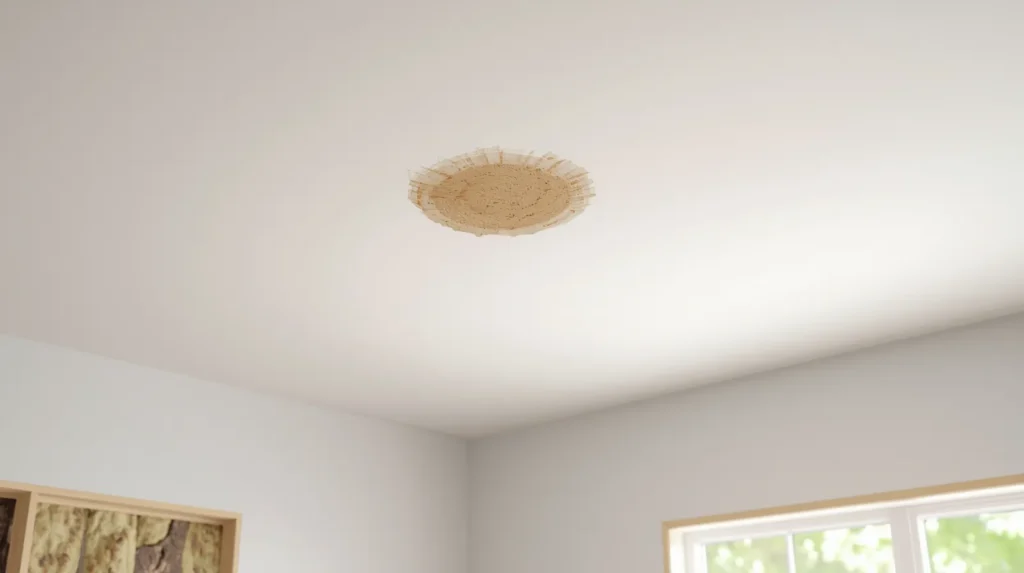
Finding leaks early keeps your home safe and saves a lot of money. Water causes damage slowly but steadily. It ruins insulation, stains ceilings, and weakens wood. When left alone, the repair cost grows fast.
A small leak might cost very little to fix if caught in the first stage. But when water spreads, it can create mold, damage wiring, and weaken the roof structure. These repairs cost much more.
Early action also protects your health. Mold grows in damp areas and can affect air quality. Children and older adults feel these effects the most.
Finding leaks early also protects your energy bill. Wet insulation does not trap heat well. Your heating and cooling system must work harder when insulation is damaged by moisture.
The sooner you find and fix the leak, the safer and healthier your home becomes. You also avoid costly repairs that grow with time.
When Roof Leaks Become a Bigger Problem Than They Appear
A leak may start small, but it never stays small. Water spreads through joints, wood beams, and wall spaces. Over time, the structure becomes weak. This makes your home unsafe.
If you notice sagging ceilings or soft spots on the floor, the leak has already moved far from the roof. This kind of spread increases repair costs. It may also cause hidden mold growth behind walls and floors.
Electrical systems can also be affected. Water near wiring is dangerous and must be treated seriously. Even a slight flicker in a light fixture should not be ignored.
When leaks reach this stage, professional help becomes important. A trained expert knows where to look and how to fix the problem safely.
How Port Solutions DMV Helps Homeowners in Stafford, VA Find Roof Leaks Safely
When roof leaks become difficult to locate or repair, professional support makes the process safe and simple. Port Solutions DMV offers careful inspections that help find the true source of a leak instead of treating only the surface signs.
Our team checks the full roof system. We look at shingles, valleys, gutters, flashing, vents, chimneys, and every possible entry point. We also use special tools to detect moisture behind walls and ceilings without cutting open large areas.
The goal is not just to stop the leak. The goal is to understand why it started and prevent it from returning. This protects your home long term and saves you from repeat repairs.
Whether your home has a simple roof design or complex angles, Port Solutions DMV provides clear guidance and safe solutions that fit your home and your budget.
What to Do Next If You Suspect Your Roof Is Leaking
If you notice any signs of moisture or staining, act right away. Begin with simple checks inside your home. Then look at the outside areas that commonly cause leaks. Avoid waiting for the problem to grow.
If you still cannot find the leak or the damage looks serious, call a trusted professional. A fast inspection helps prevent more damage and keeps your home safe.
Your home is one of your most important investments. Taking quick action protects its value and keeps your family comfortable.
If you want fast help locating a leak, reach out to our team today. We can inspect your roof, find the problem, and guide you with clear steps.
If you think water is entering your home, do not wait for the damage to spread. A quick inspection can save you from costly repairs. Contact our team today and get peace of mind with a safe and dry home.