Winter often turns windows into weak spots in a home, letting in drafts, moisture, and rising energy costs. This guide explains how to insulate windows for winter using proven, simple steps that anyone can follow. You’ll find budget-friendly fixes, quick DIY solutions, and professional long-term upgrades. Whether you live in an older house with single-pane glass or a newer home that still feels drafty, these methods help keep your living space warm, comfortable, and efficient all season long.
Understanding Why Winter Insulation Matters for Your Home
Insulating your windows during winter isn’t just about stopping a breeze it’s about protecting your home. When windows aren’t sealed, warm air escapes, and cold air enters. This constant exchange makes your heating system work harder, raising monthly energy bills. Families often notice that certain rooms feel colder than others, making the home uncomfortable. Insulation helps balance indoor temperatures, reduces condensation on glass, and protects furniture and flooring from moisture. A well-insulated home creates a healthier environment for everyone inside.
Challenges Homeowners Face with Cold Weather Windows
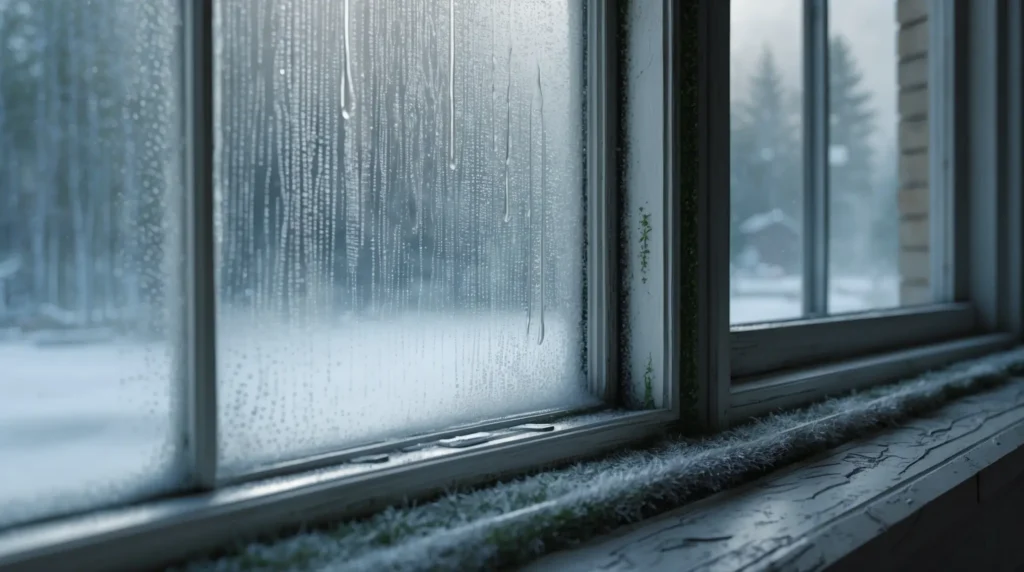
Many people deal with the same set of problems when cold weather arrives. Drafts sneak in through the sides of windows, making it difficult to keep rooms warm. Old or cracked caulk fails to block cold air. Single-pane windows feel freezing, and you can almost sense the outdoor temperature inside. Condensation builds up, leading to mold, mildew, and even damage to wood frames. The result is frustration: higher energy bills, uncomfortable living spaces, and wasted money. Insulation provides a simple, effective fix.
How to Insulate Windows for Winter: A Step-by-Step Approach
Below is a simple, step-by-step plan with options so you can pick what fits your budget, window type, and time.
What you’ll need (pick as needed)
Tape measure, rag, mild cleaner, utility knife, hair dryer, caulk (exterior/interior), rope caulk, weatherstripping (V-strip, foam, or silicone bulb), plastic shrink film kit, scissors, draft stopper, thermal curtains or cellular shades.
Step 1: Find the leaks
- Do this: On a cold/windy day, hold a tissue or incense stick around frames and sashes. Watch for flicker or smoke drift.
- Option: Feel with your hand; mark draft spots with painter’s tape.
Step 2: Clean and dry the area
- Do this: Wipe frames, tracks, and trim with mild cleaner. Let fully dry.
- Why: Seals stick better to clean, dry surfaces.
Step 3: Seal fixed gaps and cracks
- Do this: Fill visible cracks where trim meets wall or frame meets glass stop.
- Option A (long-lasting): Silicone or siliconized acrylic caulk for small cracks.
- Option B (quick & removable): Rope caulk pressed into gaps great for renters.
- Tip: Smooth caulk with a damp finger; wipe extra right away.
Step 4: Seal the moving parts (where the sash slides)
- Do this: Add weatherstripping along meeting rails and jambs.
- Option A: V-strip (vinyl/metal) durable, good for double-hung windows.
- Option B: Adhesive foam tape fast and cheap; replace each season.
- Option C: Silicone bulb gasket best seal, longer life.
- Fit check: Close and lock the window. It should shut firmly, not forced.
Step 5: Tighten and align hardware
- Do this: Tighten loose locks and hinges. Re-seat sash stops if needed.
- Why: A tight lock improves the seal and reduces drafts.
Step 6: Add a clear insulation layer on the glass
- Do this: Install a plastic shrink film kit indoors. Stick, then heat with a hair dryer until taut and clear.
- Option A (reusable): Magnetic or Velcro interior panels with clear vinyl.
- Option B (ultra-budget): Bubble wrap misted with water, bubbles facing glass (not pretty, but effective).
Step 7: Add interior window coverings (the “soft” layer)
- Do this: Hang thermal curtains or cellular/“honeycomb” shades to trap air.
- Option: Use a wraparound rod so fabric hugs the wall and blocks side drafts.
- Night routine: Close coverings at dusk; open on sunny days for free heat.
Step 8: Block sill and frame leaks
- Do this: Place a draft stopper (door/window “snake”) along the sill.
- Option: Roll a towel as a temporary blocker for very leaky spots.
Step 9: Special care for old or single-pane windows
- Do this: Combine steps 3–8, then add one more layer.
- Option A: Interior storm panel (acrylic/polycarbonate cut to size).
- Option B: Removable caulk around the sash perimeter for peak-season sealing.
- Why: Thin glass loses heat quickly; extra layers help a lot.
Step 10: Exterior check (if safe to access)
- Do this: Inspect exterior caulk where frame meets siding. Reseal gaps.
- Option: Add or repair storm windows for a durable outer shield.
- Tip: Keep weep holes clear so moisture can drain.
Step 11: Re-test and tune
- Do this: Repeat the draft test from Step 1. Touch up any leaky spots.
- Goal: No flicker, no drift, less chill. Rooms should feel calmer and warmer.
Step 12: Smart use and simple upkeep
- Daily: Open coverings for sun warmth; close at night.
- Mid-season check: Look for loose tape, lifted corners, or new cracks.
- Spring removal: Peel film and removable caulk slowly to avoid paint damage.
Quick decision guide
- Need fastest fix tonight? Foam weatherstrip + draft stopper + close thick curtains.
- Renting? Rope caulk + shrink film + thermal curtains (all removable).
- Super leaky, old windows? Weatherstrip + interior storm panel + thermal curtains.
- Best clarity and neat look? Magnetic/Velcro clear panels or tight shrink film.
Safety and care
- Ventilate while caulking.
- Be careful with ladders and blades.
- In very old homes, paint may contain lead avoid sanding; use caution.
Simple Ways to Seal Windows for Winter Draft Protection
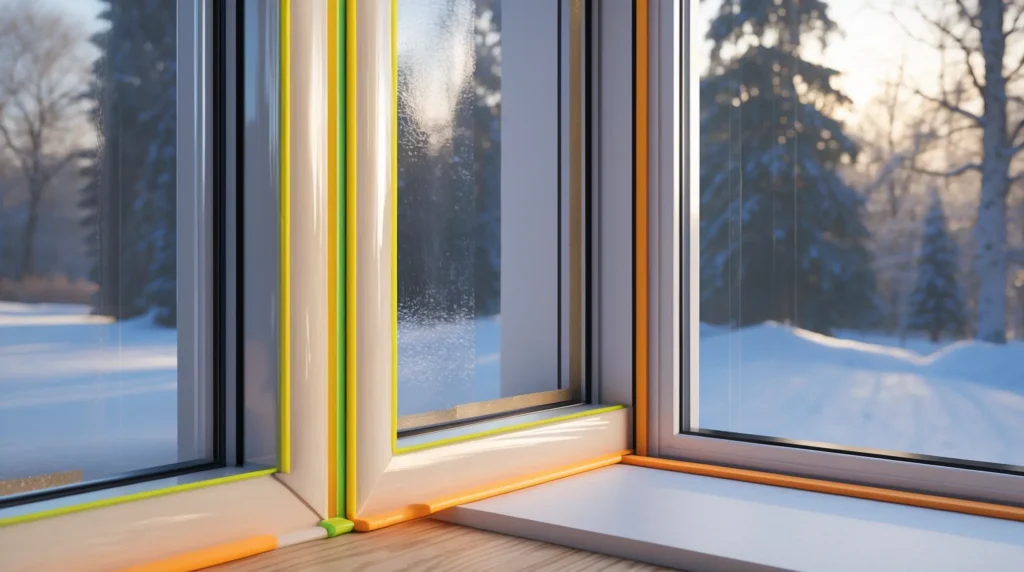
Draft protection is one of the easiest steps you can take. Here’s how:
- Apply fresh caulk around frames to seal cracks.
- Use foam strips for uneven gaps.
- Add weatherstripping tape for movable sashes.
- Lock windows tightly to improve contact with seals.
- Check the outside frame and caulk edges to block outdoor air.
These small actions close the tiny spaces where heat escapes and drafts creep in. Once sealed, you’ll notice your rooms stay warmer with less effort from your heater.
Weatherproofing Windows for Winter: Affordable and Effective Tips
Weatherproofing doesn’t need to cost much. Plastic film kits are widely available and can be installed in under an hour. Heavy curtains or thermal drapes provide another layer, blocking cold air at night. Foam insulation tape seals edges without damage. For extra efficiency, try Velcro or magnetic-backed covers that can be removed in warmer months. Layering different methods strengthens insulation, creating a barrier against freezing air. These affordable ideas deliver real comfort without breaking the budget.
Temporary Window Insulation for Winter Comfort
Not every solution has to be permanent. Many homeowners rely on temporary fixes each year. Shrink-film insulation kits are a favorite because they’re easy to apply and peel away when spring arrives. Rope caulk is removable and works well for older frames. Thermal curtains, cellular shades, and draft stoppers can all be installed quickly and used only during colder months. These flexible options are great for renters or homeowners who want warmth without long-term changes. They prove that comfort can be both simple and temporary.
Cheap Ways to Insulate Windows Without Replacing Them
Replacing windows can be expensive, but there are plenty of low-cost alternatives:
- Bubble wrap insulation – Surprisingly effective at trapping heat.
- DIY plastic sheets – Use shower liners or heavy-duty plastic as barriers.
- Foam board cutouts – Cover with fabric for a neater look.
- Layered blinds – Reflective blinds add a barrier to keep heat in.
- Draft snakes – Place at the base of windows to stop airflow.
These methods may not look stylish, but they deliver measurable results. Many families find that even a few small steps dramatically reduce cold spots and lower heating costs.
How to Insulate Old or Single Pane Windows in Winter
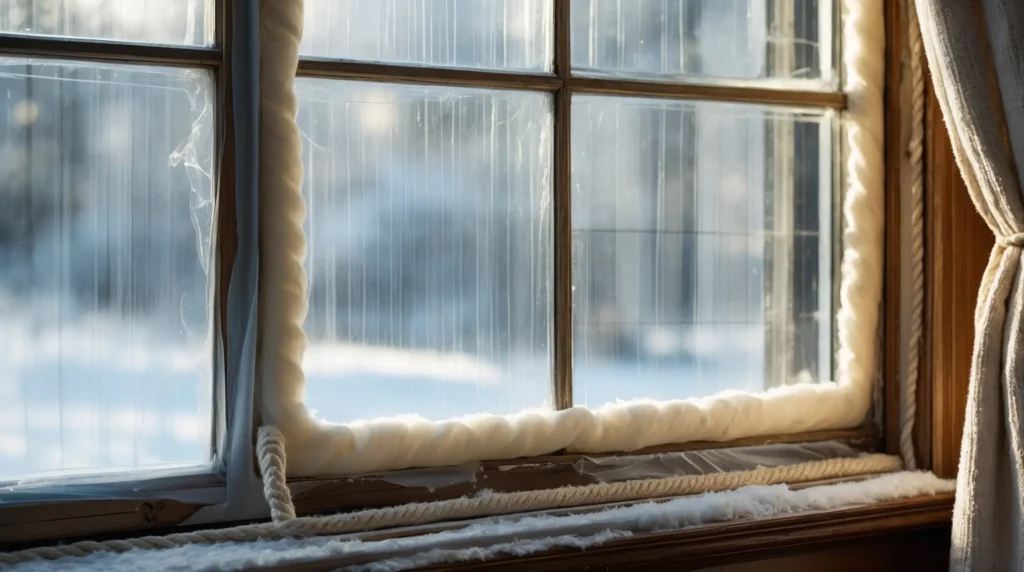
Old windows are charming but not efficient. Single-pane glass easily transfers cold air inside. Start with a clear insulation film to add a protective layer. Rope caulk is great for filling uneven gaps in older frames. Interior storm windows can be installed without altering the original design. Thermal curtains block cold air from passing through thin glass. These methods help keep vintage homes warm without losing their character. With a little effort, old or single-pane windows can be made winter-ready.
Winter Protection for Windows: Long-Term Insulation Ideas
Some homeowners prefer lasting solutions. Double-pane or triple-pane glass provides excellent insulation and energy savings. Storm windows, whether interior or exterior, create another shield against freezing temperatures. Professional-grade window sealants add durability, stopping both air leaks and water damage. Insulated cellular shades trap heat inside while allowing light control. Although these upgrades may require a larger investment, the long-term savings and comfort are worth it. Permanent solutions often pay for themselves over time by lowering heating bills.
Keep Windows Warm in Winter with Practical Home Solutions
You don’t need to replace every window to make a difference. Simple everyday habits help:
- Open blinds on sunny days to let natural heat in.
- Close curtains tightly at night to trap warmth.
- Use layered window coverings, like blinds plus drapes.
- Add window quilts or blankets during extreme cold.
- Keep furniture a few inches away from windows for better circulation.
These home-based solutions cost little and can be applied instantly. Together, they create a noticeable improvement in comfort throughout the colder months.
Trusted Window Insulation Guidance from Port Solutions DMV in Stafford, VA
With so many choices, it can be overwhelming to decide which method works best. That’s why professional help makes a big difference. Port Solutions DMV provides expert guidance, offering both temporary and long-term solutions that fit your needs. Our team has years of experience handling cold weather window insulation. From simple fixes like caulking to advanced upgrades like storm windows, we deliver results homeowners can trust. Choosing the right approach not only improves comfort but also adds lasting value to your home.
Conclusion
Winter doesn’t have to mean cold drafts and high energy bills. Insulating your windows makes a huge difference in warmth and comfort. By sealing cracks, adding weatherproofing tools, and layering coverings, you create a stronger barrier against freezing air. Temporary fixes help in the short term, while permanent solutions bring long-term savings. With expert support from Port Solutions DMV, homeowners gain peace of mind and better living conditions.
Stay ahead of the cold this season schedule your consultation today and discover the best window insulation options for your home.