Asbestos siding was a popular building material in the early to mid-1900s, valued for its strength and fire resistance. Today, homeowners often ask, what does asbestos siding look like? The answer is not always simple because asbestos siding was made in different textures, colors, and styles. This blog explains how asbestos siding appears, how to recognize old siding and shingles, how to test for asbestos, and what safety steps to take. You’ll also learn about the risks, types, and modern solutions that can help you deal with asbestos safely.
Understanding Asbestos Siding: A Quick Overview
Asbestos siding was introduced in the early 1900s and widely used until the 1980s. It was made by mixing asbestos fibers with Portland cement, creating a durable, fire-resistant product. Manufacturers promoted it as a solution that lasted longer than wood and needed less upkeep.
The siding came in different shapes and sizes. Some pieces were flat, while others had a shingle-like design. It could be painted or made in different colors, and it was often used on homes to protect wood from weather damage.
Back then, people did not know about the health dangers of asbestos fibers. Today, the focus is on identifying it and knowing what steps to take if you find it on your home.
Why People Want to Identify Asbestos in Homes Today
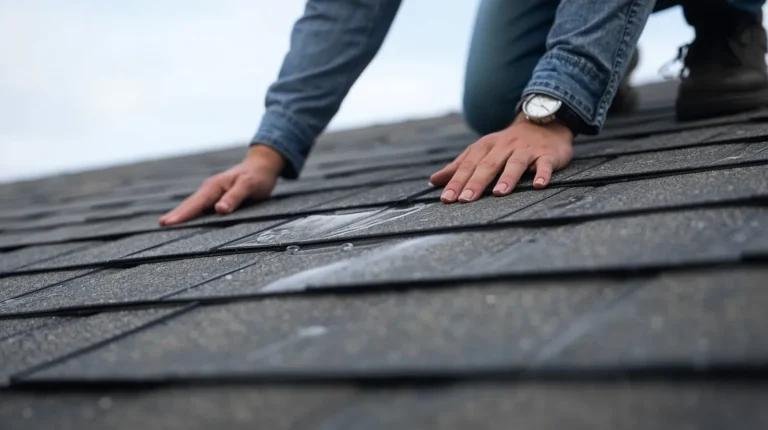
Many homeowners want to know if their siding has asbestos because of health and safety. When asbestos siding is in good shape, it does not usually release fibers. But when broken, sanded, drilled, or cut, it can release tiny asbestos particles that may enter the air. Breathing these fibers can lead to health risks such as lung disease.
Another reason people care is resale value. If you plan to sell your home, buyers or inspectors may want to know if asbestos is present. Clear identification can also guide safe remodeling or replacement.
What Does Asbestos Siding Look Like?
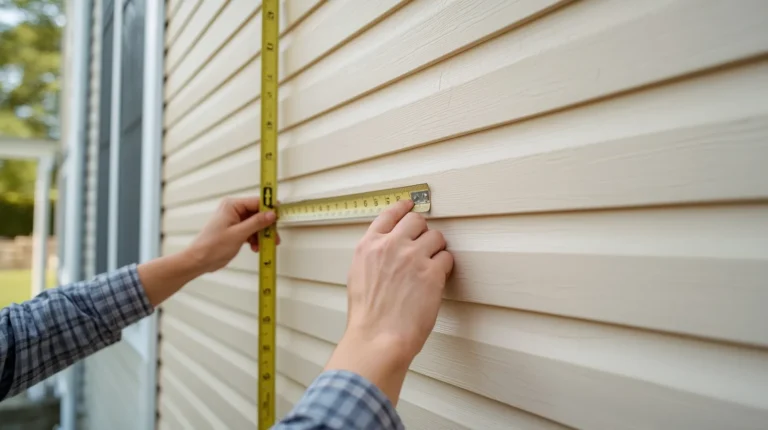
So, what does asbestos siding look like? Asbestos siding often looks like thick, cement-based shingles or panels. It may have a wavy pattern, a smooth flat surface, or a wood-grain texture pressed into the material. Most pieces are heavier and thicker than vinyl siding.
Some key features include:
- Rectangular shingles with straight or notched edges.
- Surfaces that feel hard, chalky, or cement-like.
- Nail heads often visible at the top of each shingle.
- Colors that fade into gray or beige as they age.
While asbestos siding may look like cement fiberboard, older versions almost always have sharper edges and a heavier weight.
What Does Old Asbestos Siding Look on a House?
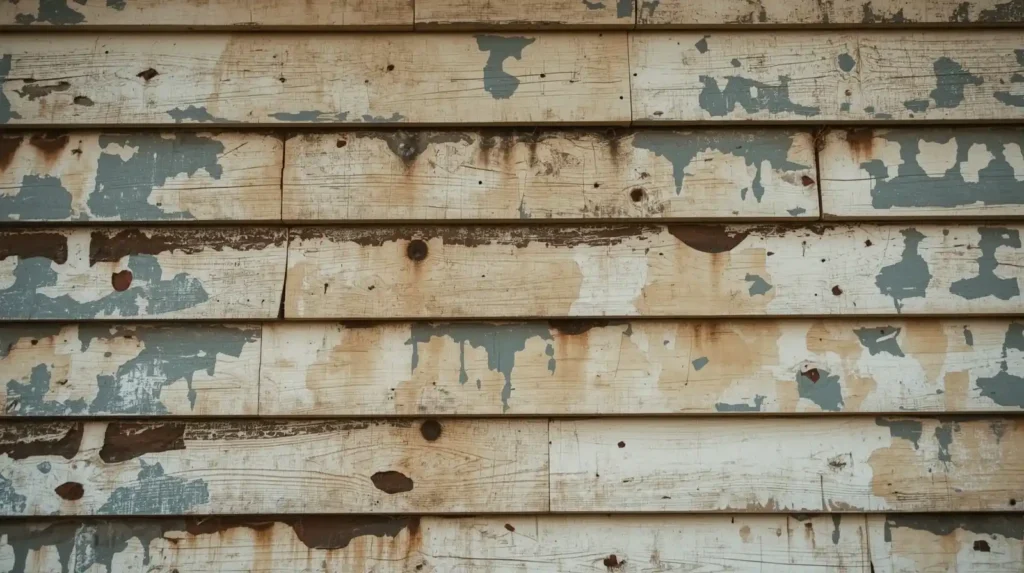
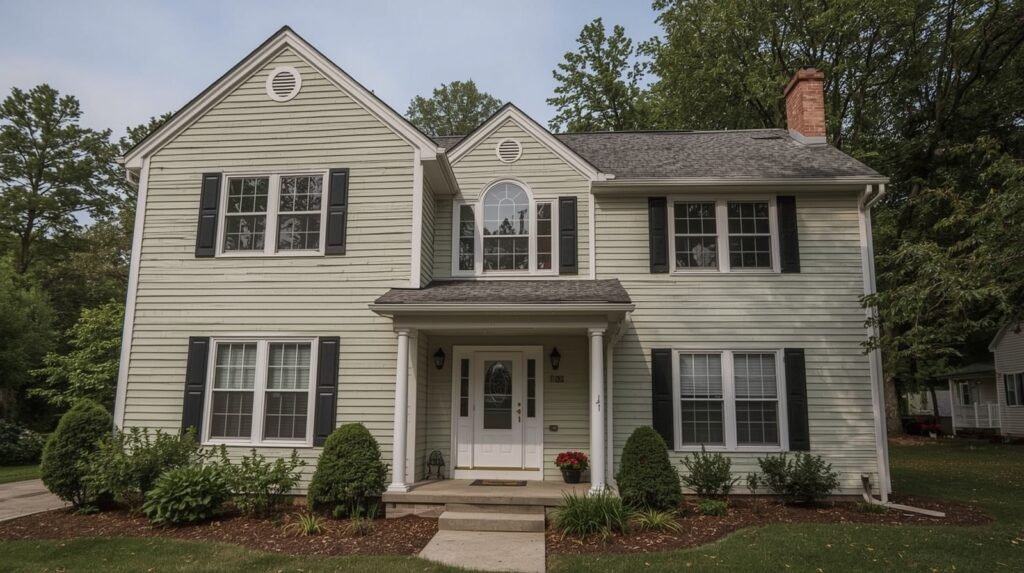
Old asbestos siding often shows age in the form of cracks, chips, or faded paint. If you see panels with worn corners, chalky surfaces, or visible fibers sticking out, there’s a chance the material contains asbestos.
In older houses, asbestos siding may have been painted many times. The paint might peel or flake, but the underlying panel usually stays solid because of its cement base. This durability is why many homes built before the 1980s still have asbestos siding.
What Do Asbestos Shingles Look Like Compared to Modern Materials?
Asbestos shingles can be tricky to identify because they mimic the look of other materials. Many were made to look like wood shingles, with a grooved pattern pressed into the surface. Others looked like stone or simple flat panels.
When compared to modern siding:
- Vinyl siding feels lightweight and bends easily, while asbestos shingles are rigid and heavier.
- Fiber cement siding used today looks similar but usually has a smoother finish and does not contain asbestos.
- Wood siding feels natural, while asbestos shingles feel chalky and solid.
If you’re unsure, comparing asbestos siding vs cement fiber siding side by side can help.
How to Identify Asbestos Siding and Shingles Safely
Identifying asbestos siding is not only about looks but also about safe handling. Some common methods include:
- Checking for labels: Some shingles may have manufacturer stamps.
- Looking at age: Homes built between the 1920s and 1980s are more likely to have it.
- Photographs: Search for identify asbestos siding pictures online to compare.
- Professional inspection: The safest way is hiring an expert who can collect samples.
Never sand, drill, or break suspected siding to test it yourself. That may release harmful fibers.
Recognizing Different Types of Asbestos Siding
There are several asbestos siding types that were made over the years. These include:
- Asbestos wood siding: Designed to look like cedar shakes or clapboard.
- Asbestos brick siding: Panels made to copy the look of brick walls.
- Asbestos exterior siding: Flat panels used on entire house exteriors.
- Green asbestos siding: Colored siding that gave homes a distinctive look.
Each type had its own appeal, but all contain asbestos fibers in the cement mix.
How to Tell If a House Has Asbestos Siding
If you want to know how to tell if a house has asbestos siding, start by checking the building age. Houses built before 1980 are more likely to have it. Next, look at the siding panels themselves. If they seem heavier than modern vinyl, chalky to the touch, or have straight-cut shingles, they may contain asbestos.
You can also look for clues in real estate or inspection reports. Some older records may mention the material directly.
Testing Siding for Asbestos: What Homeowners Should Know
Visual checks can give hints, but the only way to be 100% sure is testing siding for asbestos. Professional testing services can take small samples without spreading dust. These are then sent to certified labs.
If you choose to test, always call licensed professionals. Never attempt to break off pieces yourself. Many companies provide clear reports that explain if your siding is asbestos or another material.
Asbestos Siding Dangers and Encapsulation Options
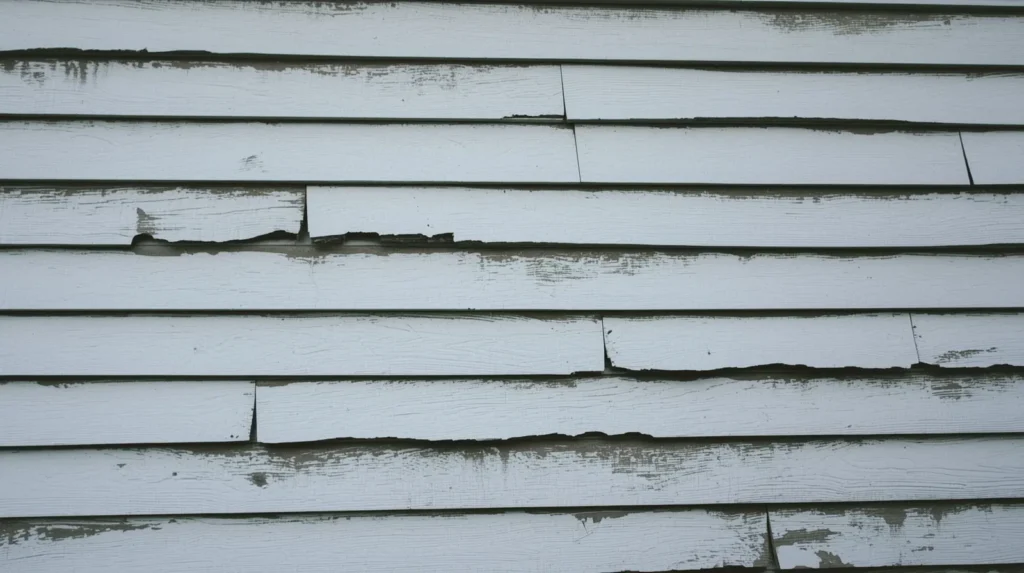
The dangers of asbestos siding come when it is disturbed. If left alone and in good condition, it does not usually pose a health threat. Problems start when pieces are broken or cut during repairs or remodeling. Fibers may then be released into the air.
There are two common solutions:
- Encapsulation: Covering asbestos siding with new siding. This traps the material inside without removing it.
- Full removal: Done by trained professionals with safety equipment.
Both options have costs, but encapsulation is often less expensive and safer.
Local Insight: Identifying Asbestos Siding in Stafford, VA Homes
In areas like Stafford, VA, many older houses may still have asbestos siding. Homeowners here often look for ways to identify, test, and handle it safely. Working with local experts who know the building history of the region makes it easier to manage asbestos siding responsibly. Port Solutions DMV has helped homeowners in the region by offering safe advice and trusted support.
Conclusion
Asbestos siding can look like wood, brick, or simple cement panels. The main signs are its heavy feel, chalky surface, and shingle-like shape. While it can be difficult to confirm by sight alone, professionals can test samples for clear answers. Remember, the safest way to handle asbestos is not to disturb it.
By learning how to identify asbestos siding, shingles, and panels, you can make better choices for your home’s safety. If you think your home has asbestos siding, don’t try to remove it on your own. Instead, rely on trained experts. Port Solutions DMV is a reliable name that homeowners trust when it comes to guidance and safe handling.
If you suspect asbestos siding, take action now. Contact professionals who can test and guide you on the next steps. The right help will keep your home safe and your mind at ease.