A square in roofing shingles is the standard measurement used by roofers to calculate material and labor needs. It equals 100 square feet of roof area, or a 10-by-10-foot section. When roofers talk about “20 squares,” they mean a roof that covers about 2,000 square feet. Understanding what is a square in roofing shingles helps homeowners estimate costs, compare quotes, and communicate clearly with contractors. Whether you’re planning repairs or a full replacement, this simple measurement makes everything easier to understand.
Understanding the Basics of Roofing Measurements
When you hear a roofing contractor mention “squares,” it might sound confusing at first. But in the roofing world, this is one of the most common and useful measurements. A roofing square helps professionals quickly estimate how many shingles, nails, and hours of labor are required for your project.
In general construction, we often use square feet, but roofing uses squares because it makes large areas simpler to calculate. For example, instead of saying your roof is 2,000 square feet, a contractor will say it’s 20 squares. This simple difference in language helps avoid mistakes and speeds up planning.
At Port Solutions DMV, we always take time to explain these measurements to our clients. We’ve learned that when homeowners understand how their roof is measured, they make smarter decisions about materials, pricing, and warranties.
Why Knowing Roofing Terms Matters for Homeowners
Roofing projects can be expensive, so every homeowner should understand the basics before signing a contract. One of the biggest mistakes people make is assuming all roofing terms mean the same thing. Knowing what a roofing square is can help you read estimates clearly and avoid being overcharged.
For example, when a roofer says your project is 25 squares, that means the surface area of your roof covers 2,500 square feet. If you know this, you can quickly check if their numbers make sense. It also helps you buy the correct amount of shingles if you’re doing part of the project yourself.
When you know these terms, you protect yourself from confusion and gain confidence when talking with contractors. Roofing becomes less of a mystery and more of a manageable project.
What Is a Square in Roofing Shingles? (The Simple Definition)
A square in roofing shingles means 100 square feet of roof surface. Picture a 10-foot by 10-foot section of your roof. That area is one roofing square. Roofers use this measurement because it simplifies estimating large areas.
If your roof covers 2,400 square feet, you simply divide 2,400 by 100. The result is 24 squares. Each roofing square generally needs about three bundles of shingles. So for a 24-square roof, you’ll need around 72 bundles, plus extra for cutting and waste.
This system makes estimating more precise and avoids waste. It’s a small detail that makes a big difference in project efficiency and budgeting.
Roofing Square Size Explained in Plain Terms
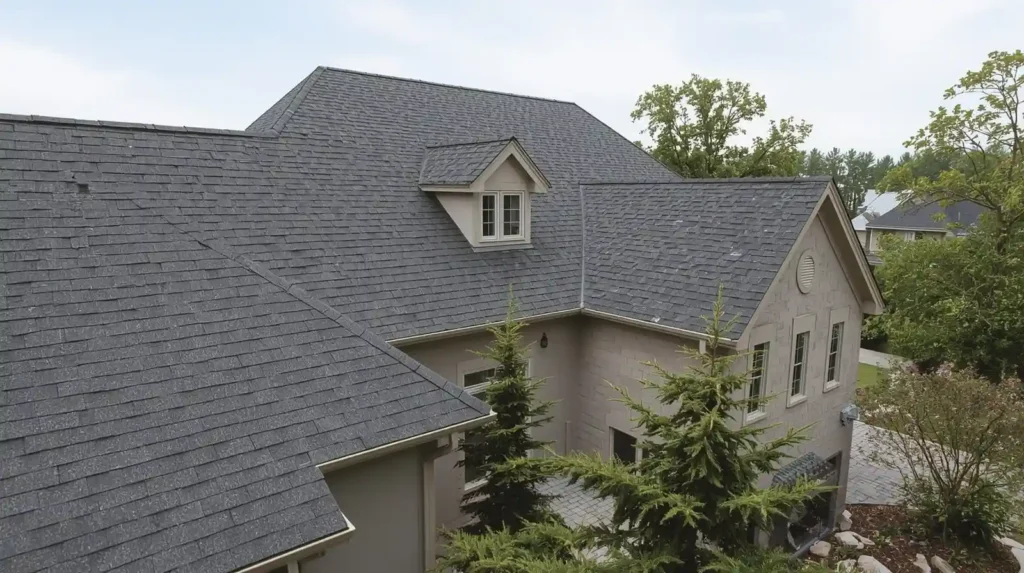
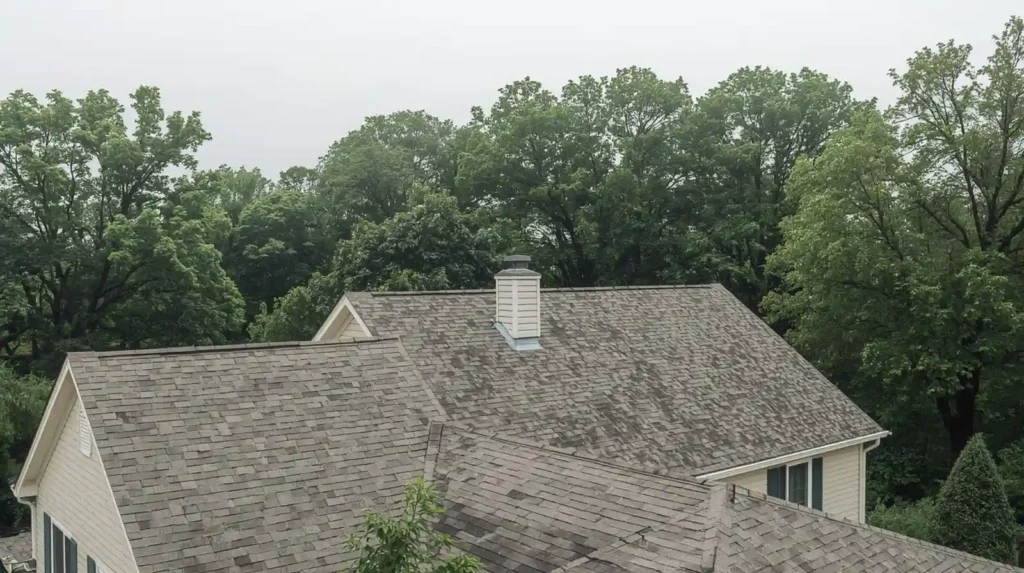
A roofing square never changes it’s always 100 square feet. What does change is how many squares you have, depending on your roof shape, slope, and design. A flat roof has the same area as its floor plan, but a steep roof has more surface to cover.
That’s why professional roofers calculate the roof’s pitch before estimating materials. The steeper the slope, the larger the surface area. For example, a roof with a 6/12 pitch (meaning it rises 6 inches for every 12 inches of horizontal distance) can add about 10 to 20 percent more area compared to a flat roof.
These variations matter because they affect how many shingles, underlayment, and nails you’ll need. Professional roofers always measure carefully before ordering materials to make sure nothing is missed.
How to Calculate Roof Squares Accurately
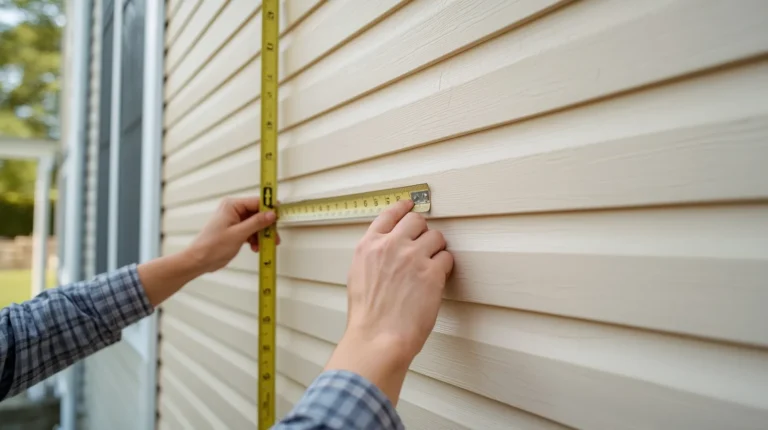
You can estimate your roof squares using a few simple steps. Start by measuring the length and width of each roof section. Multiply these two numbers to get the area for each section, then add all sections together.
For example:
- Section A: 20 feet by 40 feet = 800 square feet
- Section B: 15 feet by 20 feet = 300 square feet
- Total = 1,100 square feet
Now divide 1,100 by 100. The result is 11 roofing squares.
However, this calculation doesn’t include roof pitch or overhangs. For a more accurate result, professionals apply a pitch multiplier. If your roof has a steep pitch, the multiplier might be 1.2 or 1.3, depending on the slope.
So, 1,100 × 1.2 = 1,320 square feet. Divide that by 100, and you get 13.2 roofing squares. That’s the real surface area that needs to be covered.
Converting Square Feet to Squares for Roofing Projects
Converting square feet to squares for roofing is simple: divide by 100. Here are quick examples:
- 1,000 square feet = 10 roofing squares
- 2,000 square feet = 20 roofing squares
- 3,500 square feet = 35 roofing squares
If you know the total square footage of your roof, you can use this to plan how much material to buy. Each roofing square usually requires three bundles of shingles, though this may vary slightly based on brand and type.
For instance, 20 squares would require around 60 bundles. Add a few extra bundles for waste or cutting around chimneys, vents, or valleys. That ensures you won’t run short in the middle of the job.
Common Mistakes When Estimating Roof Squares
Homeowners often make three common mistakes when trying to calculate roofing squares:
- Ignoring the pitch – A steep roof always has a larger surface area than a flat one.
- Forgetting about overhangs or attached areas – Porches, garages, and extensions often add extra roofing squares.
- Not adding waste percentage – Roofers typically add 10 percent extra materials to cover cuts and odd shapes.
These small details can make a big difference in your total cost. Ordering too few materials can delay your project, while ordering too much wastes money. That’s why professional estimates are worth it they save you from the guesswork.
At Port Solutions DMV, we use digital tools and roof-mapping software to ensure each measurement is precise. You’ll get a quote that reflects real numbers, not rough guesses.
Why Roofing Square Calculations Affect Project Cost
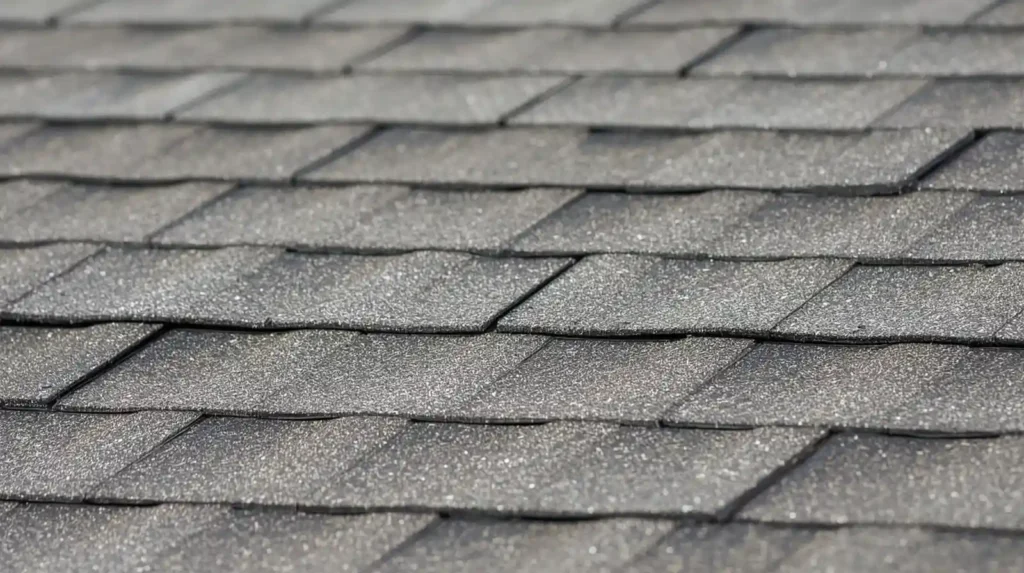
Every roofing project depends on accurate measurement. Roofing materials are sold per square, so knowing your roof’s size directly affects your budget. Even a small error can cause large cost differences.
If your estimate says you have 18 squares but your roof actually has 20, that’s a 200-square-foot difference. That could add hundreds of dollars in materials, plus extra labor. Conversely, overestimating means paying for shingles you’ll never use.
Correct roofing square calculations also help plan installation time. Contractors can determine how many workers they’ll need and how long the job will take. The more precise the numbers, the smoother your project will go from start to finish.
Real Example: Estimating a Roof Project in Stafford, VA
Let’s imagine a homeowner in Stafford, VA. Their roof covers 2,400 square feet with a slight pitch. Dividing 2,400 by 100 gives 24 roofing squares. Accounting for slope and waste, the roofer adds 10 percent, totaling 26.4 squares.
That means the homeowner will need around 80 bundles of shingles. Knowing this ahead of time helps them compare quotes and ensure transparency in pricing. It also prevents mid-project surprises.
This real-world example shows how math and accuracy come together to create a successful roofing plan. A small understanding of what is a square in roofing shingles can make a big difference in managing costs and expectations.
When to Let Professionals Handle Your Roofing Estimate
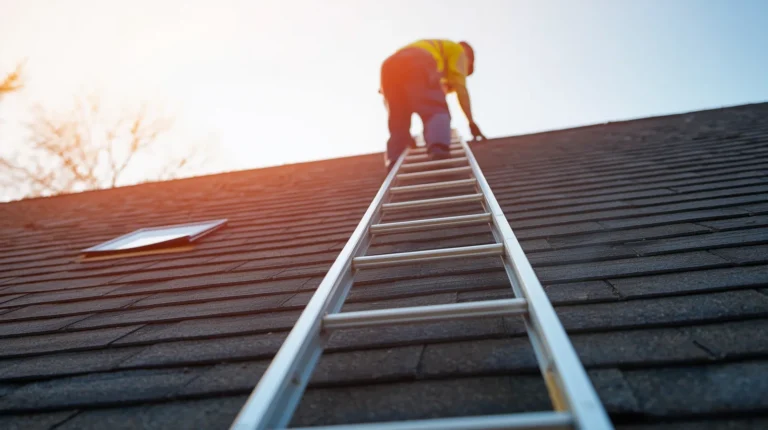
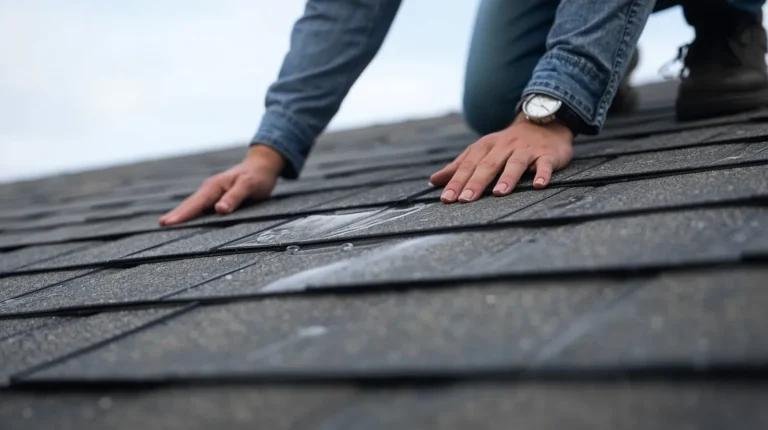
While homeowners can make rough calculations, professional roofers have the tools and training to get exact numbers. Measuring steep slopes, multiple roof levels, or irregular shapes can be risky without experience.
Roofing professionals use drones, laser tools, and measurement software to ensure accuracy. They also know how to convert square feet to squares roofing in seconds, taking pitch and angles into account automatically.
When you hire experts, you don’t just get numbers you get safety, precision, and peace of mind. It’s always better to have your estimate done right the first time than to fix costly errors later.
Get Expert Roofing Help from Port Solutions DMV
If you’re still unsure how many roofing squares your home has, we’re here to help. Port Solutions DMV has years of experience calculating, installing, and repairing roofs with precision and care. We use advanced tools to make sure your roof is measured correctly, priced fairly, and built to last.
Understanding what is a square in roofing shingles is just the beginning. The real value comes from working with experts who turn that knowledge into durable, beautiful results. Whether you need a full replacement or a detailed inspection, our team is ready to serve you with honesty and quality workmanship.
Final Thoughts
Now that you know what a square in roofing shingles means, you can easily estimate the size of your roof and understand what your contractor tells you. A roofing square equals 100 square feet, and that simple formula can help you plan smarter and budget better.
Roofing projects are big investments, and knowledge is your best protection. Whether you’re replacing a small section or the entire roof, understanding measurements helps you communicate better, make informed choices, and feel confident in your decisions.
Summary
- A square in roofing shingles = 100 square feet of roof area.
- Three bundles of shingles make one roofing square.
- Correct measurement ensures accurate pricing and less waste.
- Professionals use pitch and shape to calculate roof squares precisely.
- Hiring experts saves time, money, and effort.
Need an accurate roofing estimate and expert guidance? Contact Port Solutions DMV today and experience roofing done right honest, precise, and built to protect your home for years to come.