Rain gutters are the long, narrow channels placed along the edge of a roof that collect rainwater and move it safely away from a home. This simple system protects the roof, walls, and foundation by carrying water where it belongs. When people ask what is rain gutters, the clear answer is that they are one of the most important parts of a home’s water control system. Without them, water can cause damage that grows over time.
Understanding What Rain Gutters Really Are
Rain gutters sit quietly at the edge of a roof, but they handle a big job every time the weather changes. They gather rainwater the moment it flows off the shingles and move it toward downspouts that guide the water to the ground in a safe place. Without gutters, rainwater falls freely and hits the home in all the wrong spots.
Most people do not think much about gutters until something goes wrong. But these channels protect the home from damage that is not always visible at first. When water spills down walls or pools around the base of the house, it can create long term problems that are costly to fix.
By collecting and guiding water, gutters help every part of the home stay dry and protected. Even in light rain, they make a difference by keeping moisture away from areas that should never stay wet. In this way, gutters support the structure and help the home remain strong over time.
Why Homes Need a Reliable Gutter System
A home needs a reliable gutter system because water is powerful. Even a small amount of water can wear down surfaces, stain walls, or create soft spots in the ground. Over time, these small issues grow and become larger problems. Gutters control that water and keep it from spreading where it should not go.
A strong gutter system protects every part of the home. It keeps rainwater away from the roof edges, where moisture can cause rot. It stops water from dripping down siding, which might lead to mold or peeling paint. It prevents the soil around the base of the house from shifting, which protects the foundation from cracks or sinking.
The gutter system is one of the most important defenses a home has. It works during every season and handles different types of weather. Without a dependable setup, rainwater can overwhelm the house and leave behind damage that homeowners never expected.
A Simple Look at Why Gutters Are Needed
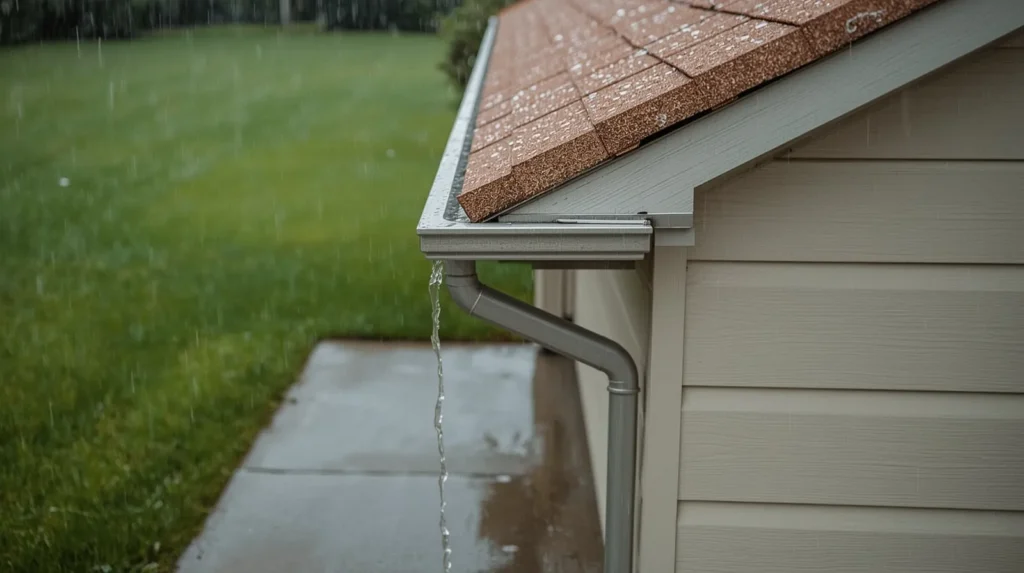
Gutters are needed because homes cannot protect themselves from rain on their own. Water always moves downward, and without a path to follow, it will find the easiest route. That route is often down the side of the house or directly into the soil beneath the home.
When gutters guide this water, the home stays safe. The water no longer lands where it should not. Instead, it moves smoothly through a planned system designed to keep the structure dry. This protection is especially important in heavy rain or long periods of wet weather.
Homes also need gutters to help control moisture on walkways and driveways. If water flows directly onto these surfaces, it can cause slippery areas or cracks from repeated soaking. Gutters help direct this water to areas that can handle it better.
Simply put, gutters protect the home, the ground around it, and the people who live there.
What Is Rain Gutters and How They Fit Into Your Home’s Water Control
Many homeowners never fully understand how important their gutters really are until they see problems caused by water running freely. When someone asks what is rain gutters, the answer is simple. They are tools that catch water from the roof and move it away. But the real value is the way they fit into the home’s water control plan.
Every home has a water path. The roof sheds water, the gutters catch it, and the downspouts guide it away. Without gutters, that path becomes unpredictable. Water may enter cracks, sit near the foundation, or wash away soil. With gutters, the entire path is controlled.
A good gutter system also supports other home features. Roofs last longer because the edges stay dry. Basements stay safer because water is pushed away. Landscaping grows better because water does not wash away soil or roots.
The system may seem simple, but it plays a big role in protecting the home each time it rains.
How Rain Gutters Work During Different Weather Conditions
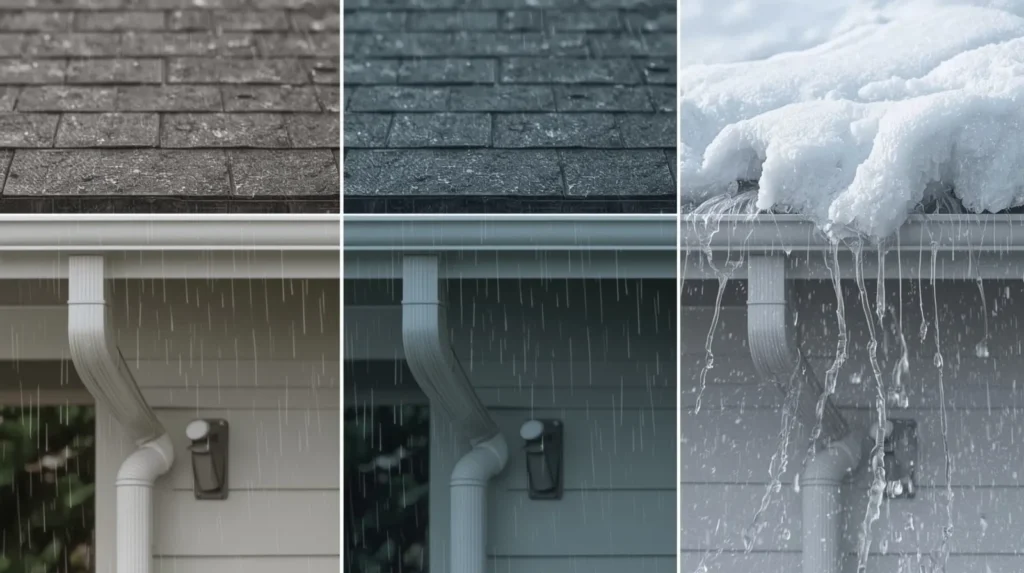
Rain gutters adjust naturally to different types of weather. In light rain, they carry small amounts of water without strain. In heavy storms, they gather fast moving water and guide it into the downspouts. The smooth interior of the gutter helps the water flow without stopping.
In colder months, gutters help manage melting snow. When snow on the roof begins to melt, the water moves into the gutters instead of sliding directly down the house. This helps reduce the risk of ice around the base of the home.
During strong wind, well secured gutters stay in place and keep catching water as it runs off the roof. This stability is important because storms often bring a mix of wind and rain at the same time.
No matter the weather, gutters work to protect the home by catching and moving water in a controlled way.
What’s the Point of Gutters When It Comes to Home Protection
The point of gutters is to keep the home safe from water damage. When rain falls directly from the roof to the ground, it digs holes in the soil, splashes mud onto walls, and weakens the foundation over time. These issues may seem small at first but can turn into expensive repairs later.
Gutters stop this by controlling water. They catch it at the roofline and push it away through downspouts. This prevents soil erosion, protects siding, and keeps the foundation dry. A dry foundation is one of the most important parts of a long lasting home.
Gutters also help windows, doors, and porches stay in good condition. When water is not splashing or running down these areas, they remain clean, strong, and mold free.
In short, gutters protect the home from the top to the bottom. They may be simple, but they are powerful tools that every house needs.
Understanding the Purpose of Rain Gutters for Preventing Costly Damage
The purpose of gutters is to prevent problems that can cost homeowners hundreds or even thousands of dollars. Water damage is slow and steady. It often begins with small signs like peeling paint, mild dampness, or tiny cracks. Without control, these signs grow into larger issues.
Gutters stop many of these problems before they begin. They reduce the amount of water that reaches the walls and foundation. They help control moisture levels around the house. They block water from entering weak points, such as the base of exterior doors or gaps near windows.
When gutters work correctly, they help homeowners avoid:
- Foundation cracks
- Basement flooding
- Rotting trim
- Soil erosion
- Wall stains
- Mold growth
These repairs are often expensive. Simple gutter maintenance can prevent them.
Common Problems Caused by Not Having Gutters Installed
Without gutters, homes face many problems that can grow with each storm. Water hits the soil near the foundation and causes erosion. This weakens the ground and can lead to sinking or cracking.
Siding may develop dark streaks or stains from water running down the same spots every time it rains. Over time, this can lead to mold or rot. Windows and doors may also develop leaks where water gathers too often.
Other common problems include:
- Water pooling near walkways
- Cracked driveways
- Damaged landscaping
- Mud splashing onto walls
- Basement leaks
- Soft spots in the yard
These issues show why gutters are more than just a helpful feature. They are an important part of a safe home.
Key Features of a Well Maintained Gutter System
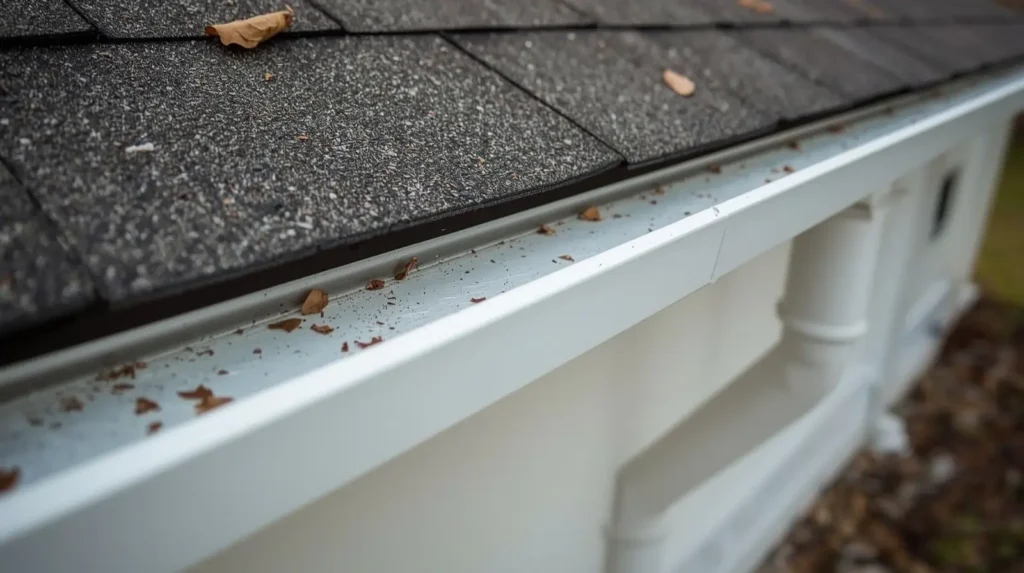
A well maintained gutter system has a few important features that help it work correctly. The gutters must stay clean so water can flow smoothly. Leaves, twigs, and dirt can block the path, so cleaning should happen at least a few times a year.
Downspouts also need attention. If they are clogged, the water will overflow and run down the sides of the home. Downspouts should reach far enough away from the house to protect the foundation.
Gutter joints, brackets, and sealants need to stay strong. They help keep the gutters in place and prevent leaks. A good installation prevents sagging and keeps the water moving at the right speed.
Quality materials also matter. Gutters made from strong metal last longer and handle storms better. With proper care, a good system can last many years.
Why Port Solutions DMV Is a Trusted Choice for Local Gutter Solutions in Stafford, VA
Port Solutions DMV has helped many homeowners understand their gutter needs and fix the problems they face. The team is trained to spot issues, explain solutions clearly, and install systems that protect homes in all weather conditions. This level of experience makes a big difference for homeowners who need guidance.
The local weather can bring heavy rain and sudden storms. That is why homeowners trust Port Solutions DMV for systems that match the climate and protect the home for years. A well installed gutter system adds value, safety, and peace of mind.
With the right team, gutter installation becomes simple, clear, and stress free.
When To Upgrade or Replace Your Gutters and How to Get Started
Gutters need attention when they show signs of wear. Cracks, rust, sagging, and leaks are clear signals that the system is failing. When gutters overflow during storms, that is another sign of trouble.
Homeowners should also watch for wet spots on walls or water sitting near the foundation. These signs may mean the gutters are not doing their job. Upgrading to a stronger, modern system is one of the best choices a homeowner can make.
Starting the process is easy. A trained professional can inspect the home, explain what needs to be done, and complete the installation with care. A new gutter system protects the home for many years and helps avoid future repair costs.
If you want to protect your home and keep water away from important areas, now is a great time to upgrade your gutters. A strong system gives your home long term safety.
If you want a trusted team to help guide you, reach out and get your inspection scheduled today. A safer home starts with the right gutter system.